 Lumivox
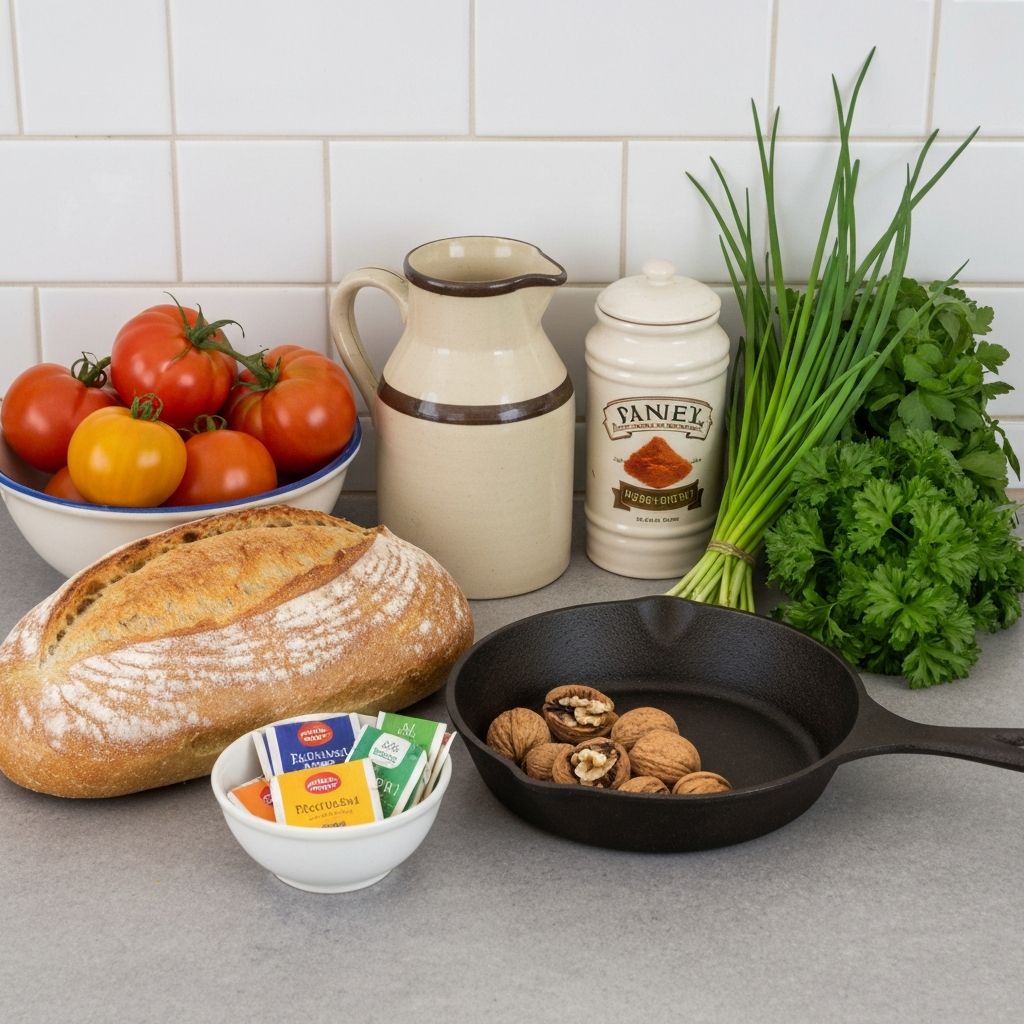
Common Home Cooking Adjustments Associated with Lower Energy Density
Educational information about how cooking methods and ingredient choices influence energy density in everyday British meals.
Energy Density Explained
Energy density refers to the number of calories contained in a given weight of food. It is calculated by dividing the total energy (calories) by the weight of the food in grams. Understanding this concept helps explain how different preparation methods and ingredient choices affect the nutritional composition of meals.
Factors that influence energy density in food include the proportion of water, fiber, fat, and protein. Foods with higher water and fiber content typically have lower energy density, while foods with higher fat content have higher energy density, as fat contains 9 calories per gram compared to 4 calories per gram for carbohydrates and protein.
In home cooking, simple adjustments to preparation techniques and ingredient selection can modify the energy density of dishes based on these nutritional principles.
Cooking Method Comparisons

How Cooking Methods Affect Energy Density
The method used to cook food significantly influences its final energy density. Different techniques introduce varying amounts of added fats and affect moisture retention.
Baking and grilling typically result in lower energy density compared to frying, as they require less added fat. Steaming and boiling also produce lower energy density dishes because water is retained in the food.
Frying adds substantial amounts of oil, increasing the caloric content per gram. Slow cooking and stewing in broth or tomato-based sauces rather than cream-heavy options also maintains lower energy density.
These differences are based on the amount of fat absorbed or added during cooking, which directly increases the energy density of the final product.
| Cooking Method | Fat Added (Typical) | Moisture Retention | General Density Profile |
|---|---|---|---|
| Steaming | None | High | Lower |
| Boiling | None | High | Lower |
| Baking | Minimal (0-2 tsp per serving) | Moderate | Lower to Moderate |
| Grilling | Minimal (0-1 tsp per serving) | Low | Moderate |
| Stir-frying | Moderate (1-2 tbsp) | Moderate | Moderate |
| Pan-frying | Moderate to High (2-3 tbsp) | Low | Higher |
| Deep frying | High (substantial absorption) | Very Low | Higher |
Vegetable Incorporation Examples
Increasing Vegetable Volume
Adding vegetables to dishes is a primary method of modifying energy density without eliminating traditional ingredients entirely. Vegetables have high water and fiber content, which increases food volume while maintaining relatively stable caloric intake.
Common vegetables such as broccoli, carrots, peppers, zucchini, mushrooms, and leafy greens are frequently incorporated into British home cooking.
When vegetables replace or reduce portions of higher-density ingredients like oils, creams, or grains, the overall energy density of the meal decreases. This approach maintains traditional meal structures while altering nutritional composition.
Examples in British cuisine include adding extra vegetables to shepherd's pie, including more vegetables in curries, incorporating additional vegetables in stir-fries, and making vegetable-rich pasta dishes.
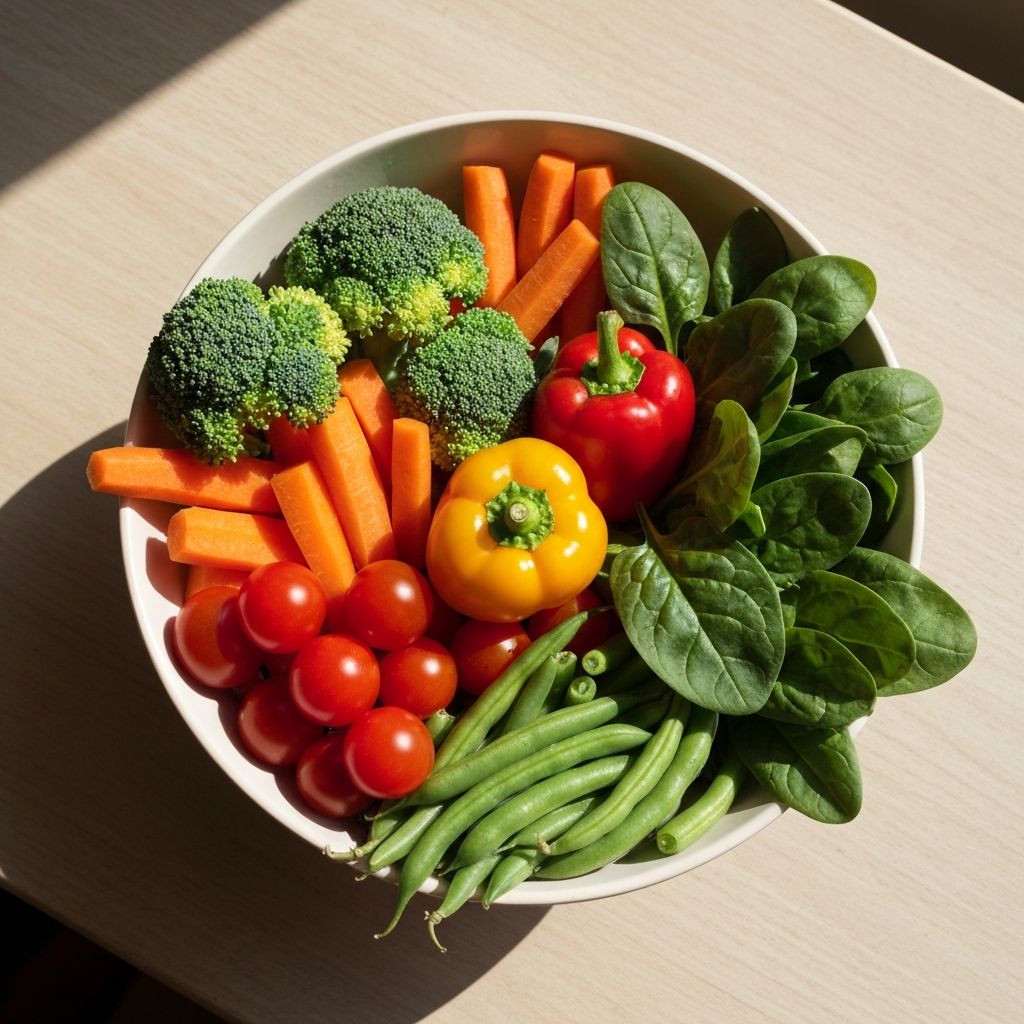
Broccoli & Carrots
High water content, low energy density. Commonly used in British cooking to increase meal volume. Retain their structure through various cooking methods.
Bell Peppers & Onions
Provide flavor and volume with minimal energy contribution. Often used as a base for stir-fries, curries, and casseroles in everyday British kitchens.
Leafy Greens & Spinach
Extremely low energy density. Easily incorporated into soups, stews, and side dishes. Can replace or supplement higher-density ingredients.
Fat Source Adjustments
The type and quantity of fat used in cooking directly impacts energy density. Understanding different fat sources and their energy contributions is relevant to general nutrition knowledge.
Oil-based fats (olive oil, sunflower oil, rapeseed oil) contain approximately 120 calories per tablespoon. Butter contains similar energy content at 100 calories per tablespoon. Cream-based products vary in energy density depending on fat content, with double cream being significantly higher than single cream or Greek yogurt.
In British home cooking, common adjustments include using oil-based cooking methods instead of butter where possible, reducing the total quantity of fats added to dishes, and selecting lower-fat dairy alternatives in recipes traditionally made with cream.
These adjustments reflect nutritional information commonly referenced in public dietary guidance materials rather than personal recommendations.
Dairy Product Variations
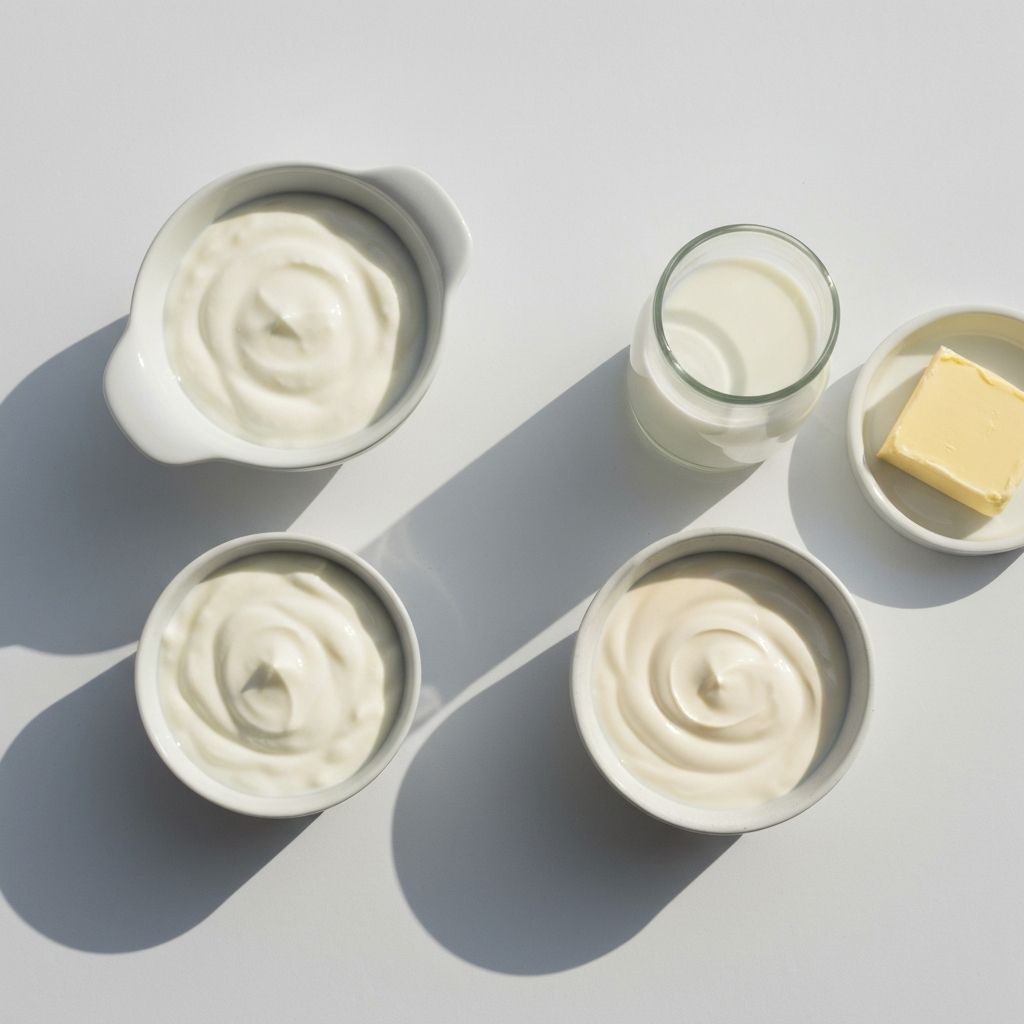
Selecting Dairy Options
Dairy products vary significantly in energy density. Greek yogurt, for example, contains approximately 60 calories per 100g, while double cream contains approximately 450 calories per 100g. Single cream sits at approximately 200 calories per 100g.
In British cooking, recipes traditionally made with double cream or single cream can be prepared with Greek yogurt, natural yogurt, or milk-based alternatives to create different nutritional profiles.
Cheese also varies in energy density; harder cheeses like cheddar contain approximately 400 calories per 100g, while cottage cheese contains approximately 100 calories per 100g.
These variations in dairy products reflect factual nutritional composition data that can be referenced in general nutritional discussions.
Seasoning & Sauce Alternatives
Traditional British cooking often relies on salt-heavy sauces and creamy gravies to add flavor to dishes. Alternative seasoning approaches use herbs, spices, vinegar, and stock-based sauces to achieve similar flavor profiles with different nutritional compositions.
Fresh herbs such as rosemary, thyme, parsley, and basil add substantial flavor with minimal energy contribution. Spices like black pepper, cumin, paprika, and mustard powder are calorie-free flavor additions.
Vinegar-based dressings and marinades create acidic, flavorful additions to dishes without added fat. Stock-based sauces made from vegetable or meat broths replace cream-heavy gravies in traditional dishes.
Tomato-based sauces and salsa are flavor-rich options that maintain lower energy density compared to cream or butter-based sauces. These alternatives represent common cooking techniques found in British kitchens rather than specialized dietary approaches.
Grain & Starch Choices
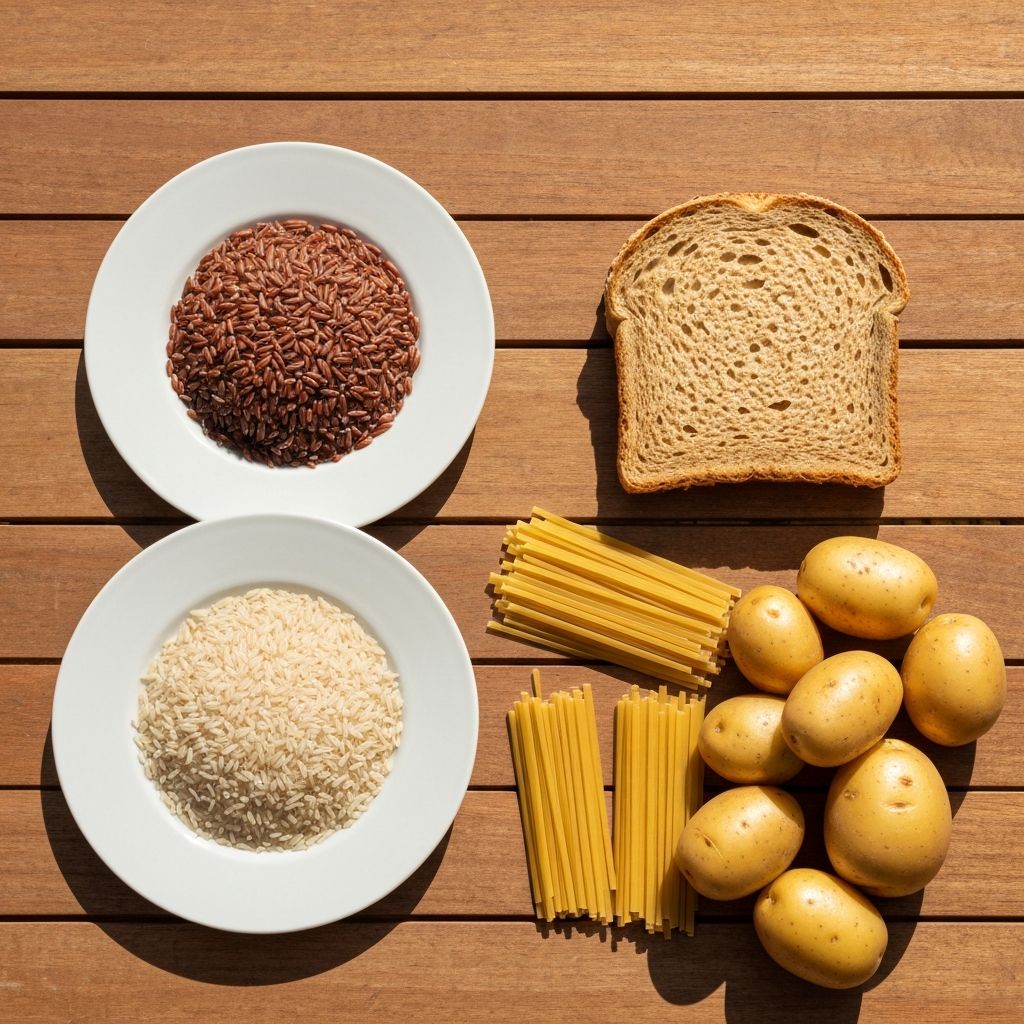
Whole vs. Refined Grains
Grains vary in energy density based on processing and nutritional composition. Whole grain varieties retain the bran and germ, which increases fiber content and water absorption during cooking.
Brown rice contains approximately 111 calories per cooked cup, while white rice contains approximately 205 calories per cooked cup. This difference is due to water retention rather than dramatic energy differences in raw form.
Whole grain bread, oats, and barley are commonly used in British cooking and contain varying amounts of fiber, which affects how they interact with water in cooked dishes.
Incorporating vegetables alongside grains, reducing portion sizes of grains while increasing vegetable portions, and selecting whole grain varieties are common cooking pattern variations found in contemporary British home cooking.
Protein Source Notes
Protein sources vary in energy density based on fat content. Understanding these variations is relevant to general nutritional knowledge about food composition.
Lean protein options include skinless chicken breast (165 calories per 100g cooked), white fish like cod or haddock (82 calories per 100g cooked), and lean cuts of pork or beef (165-180 calories per 100g cooked).
Higher-fat protein options include fatty fish like salmon (280 calories per 100g cooked), beef with visible fat (250+ calories per 100g cooked), and processed meats like sausages (which vary widely depending on composition).
Plant-based proteins such as lentils, chickpeas, and beans contain approximately 120-140 calories per 100g cooked and include significant fiber content. Tofu and tempeh are common alternatives in contemporary British cooking.
These observations about protein sources reflect nutritional composition information rather than individual dietary recommendations.
Common Dish Examples
Neutral Preparation Variations
Examining common British dishes demonstrates how different preparation methods create different nutritional profiles based on cooking techniques and ingredient selection.
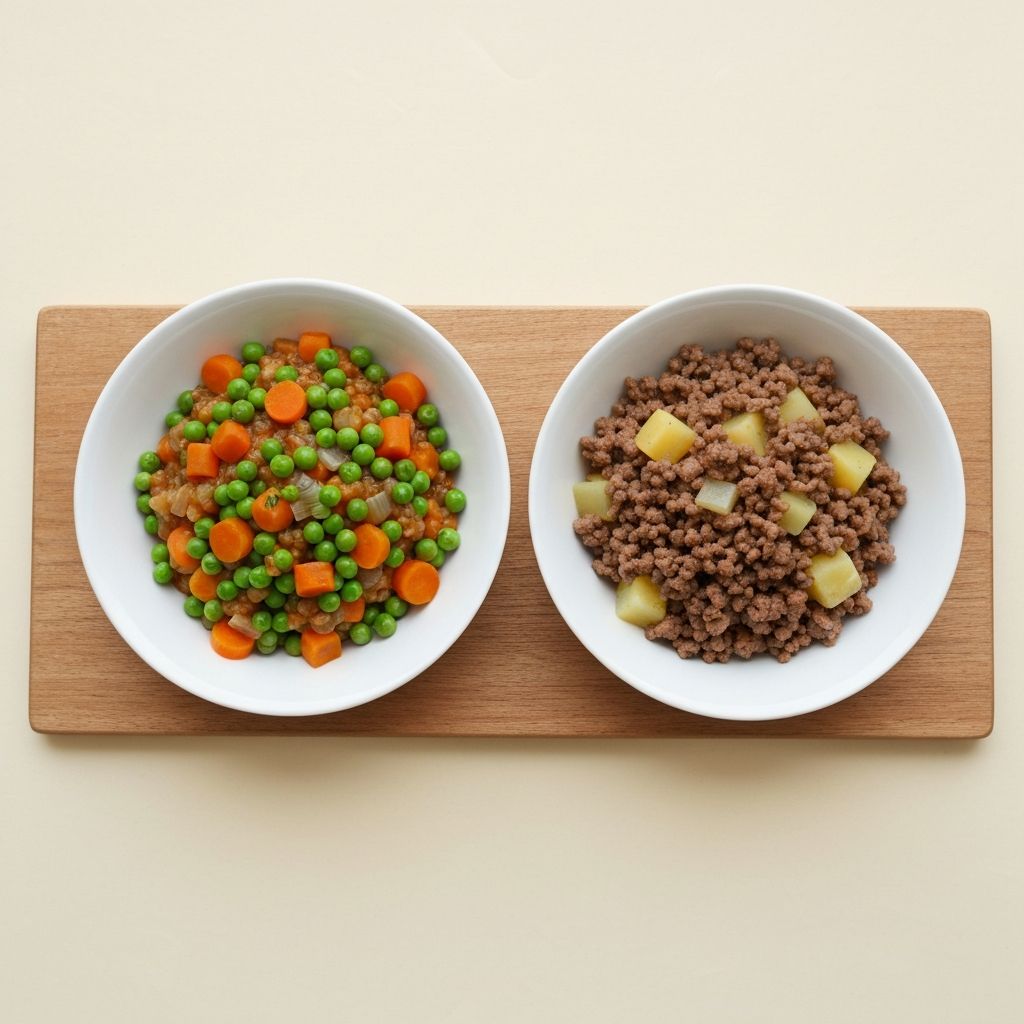
Shepherd's pie traditionally made with a butter-based mashed potato topping and a standard meat filling can be prepared with a higher proportion of vegetables in the filling and a reduced-fat mashed potato topping.
Fish and chips made with baked fish and oven-cooked chips instead of deep-fried versions represents a significant change in energy density due to cooking method differences.
Stir-fries made with abundant vegetables and a modest amount of protein represent a different ratio of ingredients compared to those with larger protein portions and fewer vegetables.
These examples illustrate common variations in how British home cooks prepare traditional dishes without representing any particular dietary philosophy.
FAQ - Energy Density & Common Adjustments
Energy density is the amount of calories contained in a specific weight of food, measured in calories per gram. Foods with high water and fiber content have lower energy density, while foods high in fat have higher energy density.
Cooking methods affect how much fat is added to food and how much water is retained. Frying adds more oil than baking, and boiling retains more water than grilling. These factors directly influence the final energy density of the cooked dish.
Vegetables are primarily water and fiber with minimal fat content. Adding vegetables to dishes increases the overall weight and volume without significantly increasing caloric content, thereby reducing the calories per gram of the final dish.
Yes. Many of these adjustments—using different cooking methods, adding more vegetables, using stock-based sauces instead of cream, selecting different dairy products—are variations already found in British home cooking and cookery traditions.
Yes. Brown rice retains the bran layer and absorbs more water during cooking, resulting in a different water-to-calorie ratio. White rice contains less water after cooking. Both are commonly used in British cooking for different purposes.
Different proteins have different nutritional compositions. Lean proteins like chicken breast contain fewer calories per gram than fatty cuts of meat or processed meats. Both types are commonly used in British home cooking; they simply have different energy densities.
Herbs and spices contain minimal calories. Using them instead of salt-heavy sauces or cream-based gravies allows flavoring dishes while not significantly increasing energy density. They are essentially calorie-free flavor additions.
This website provides general educational information only. Individual circumstances vary widely. The content describes general concepts and observations about energy density and cooking patterns without application to specific individuals or situations.